How Better Footwear Makes Every Day Feel Stronger?

You live in a place where every step counts: getting across town, catching up with friends over coffee, walking the kids to school, even dashing through work meetings.
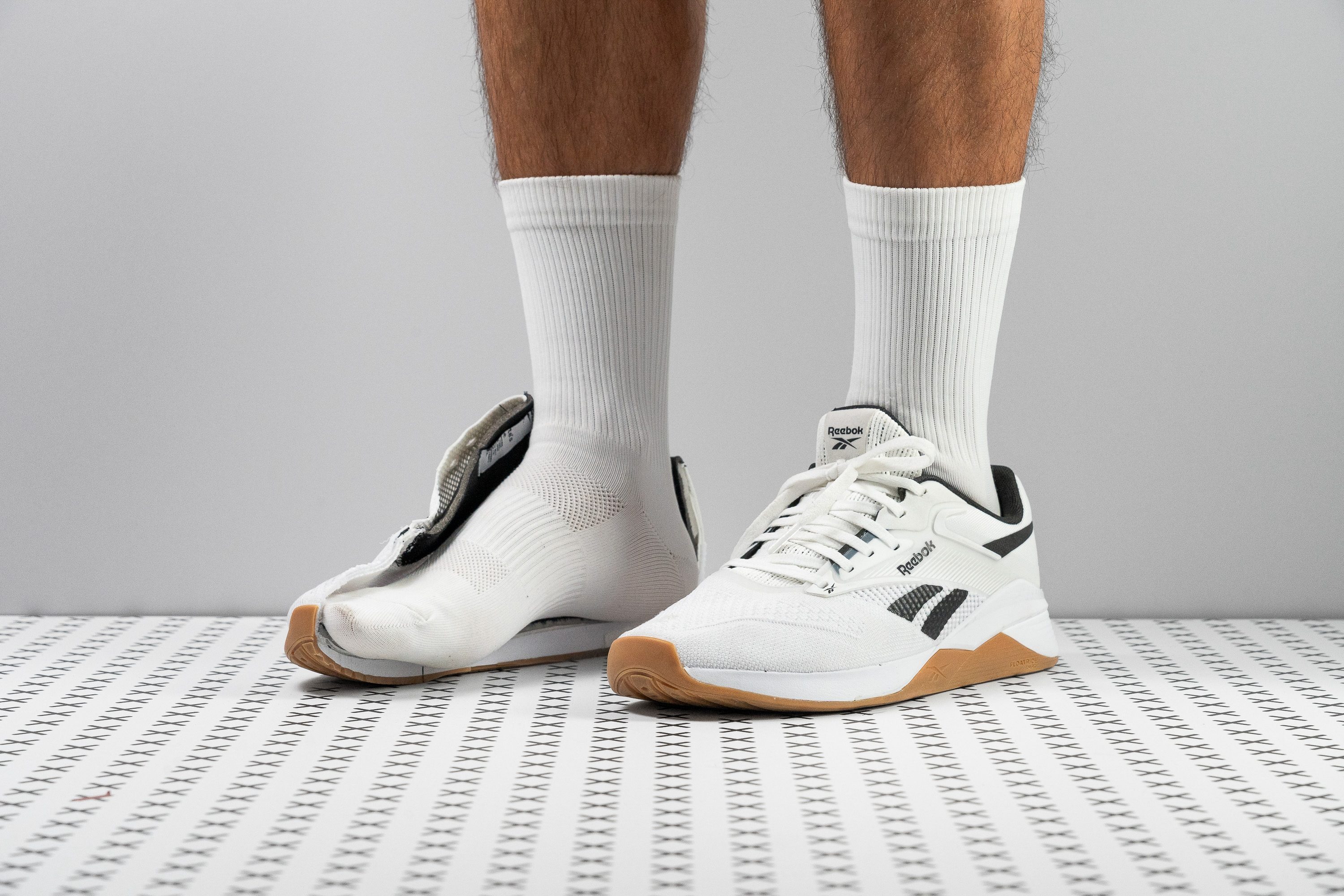
You live in a place where every step counts: getting across town, catching up with friends over coffee, walking the kids to school, even dashing through work meetings. In all of this, your feet are on the move, and your shoes silently carry you through the rhythm of your day. So the question is: are they doing their job well enough? The right pair of shoes can mean the difference between finishing your day feeling fresh, and finishing it feeling tired, sore or stuck. At the same time, you don’t want a pair that only works for the gym, looks out of place on the street, or falls apart after a few weeks. That’s where the folks at Reebok have done impressive work. The brand offers models tailored for everyday movement, casual commuting, and even light workouts, not just hardcore training. If you’re ready to treat your feet right, keep reading: this article will show what to look for, what to avoid, and how one pair of great shoes can handle everything your day throws at you.
Why Your Shoes Matter Every Single Day?
You might think of shoes as just something you put on in the morning, but they do far more. First, they support your feet through constant motion, walking, shifting, turning, standing and sitting. If your shoes lack proper support, you’ll likely feel it: fatigue, soreness, even aches in ankles or calves. Second, they cushion impact. Even walking on smooth city sidewalks or tiles means your feet absorb repeated jolts; shoes with solid cushioning help reduce stress on joints. Third, durability and versatility matter. A pair that’s built for only one function may look fit for purpose, but if it fails when you use it beyond that, you end up either stuck or switching shoes constantly. And style? Yes, style still matters: you’ll wear them across settings, work, errands, weekend brunch, so they should look good too. Good footwear isn’t just for athletes; it’s for your daily path.
What to Look for When Choosing Everyday Shoes?
Fit & Feel
When you slip a pair on, pay attention. They should feel comfortable from the first step. No pinching, no overly loose heel, no wobble. Try walking a few minutes in them. If something feels off, move on. Fit is the base layer of all benefits.
Cushioning & Support
A decent midsole is your friend. It should absorb, and better yet, return, a good chunk of the impact from each step. If you find yourself landing hard on heels or toes, or feeling your feet pulse at the end of the day, the cushioning might be lacking. Arch support matters too, especially if you spend time on hard surfaces.
Versatility
You want a pair that moves with you, from the morning commute to a spontaneous outing, maybe even a casual gym session. Shoes marketed only for a single purpose can feel limiting when you step outside that zone. Choose a pair with multi-purpose design.
Style & Practicality
Your shoes should complement your daily wardrobe. If they scream “workout only,” you might feel mis-matched in more casual or social settings. Look for clean lines, versatile colors, and materials that hold up (leather, mesh blends, good stitching).
Reliability of Brand & Availability
When you pick from a brand you trust, you reduce risk. The Reebok site shows that they carry a wide “All Shoes” range for men, women and kids. That means you’re more likely to find replacements, support, and designs built with good standards.
Common Mistakes That Hurt Your Feet
If your shoes are more of a liability than an asset, you’ll notice:
-
Feeling tired earlier than usual, especially if you’ve been walking or standing more than usual.
-
Swelling or soreness around the heel or arch, indicating your shoes aren’t fitting correctly or lack structure.
-
Your shoes look worn out in odd places, like the inner side of the sole or heel area, signaling the materials and build couldn’t cope with your daily load.
-
Your wardrobe struggles to match the shoes you have: either they look too sporty for casual wear, or too casual to support any movement or standing.
The bottom line: you don’t need a specialized athletic shoe for every scenario, but you do need one that’s up to the everyday task.
Why Choosing Reebok Makes Sense?
The Reebok offers many choices across “All Shoes,” “Training,” “Running,” and more. That means you’re not forced into a narrow category; you can find something good for your pace and life. If you walk city streets, commute, and move between errands, consider selections designed for all-shoes use. If you add a light workout in the evening, a versatile model that works for both movement and train-lite is wise.
Reebok has models that merge comfort, durability and style: for women and men, multi-purpose and built for everyday rotation. From a practical standpoint, this means you won’t need one pair for work, one for gym, one for weekend. You can streamline. Plus, when you shop online from Reebok or visit the store, you’re backing a brand with infrastructure, local presence and a wide range of sizes and styles. Less guesswork, more confidence. In short: you invest once, wear often.
Making the Right Pick: Your Game-Plan
Start by listing how you move through your day:
-
How many hours do you spend on your feet?
-
Are you on hard surfaces or cushioned flooring?
-
Do you switch between casual/office wear and movement-wear?
-
How often do you do light workouts or gym sessions?
With that in hand, go to the Reebok site or store. Browse the “All Shoes” category and filter by men/women depending on what you need. Try them on: walk around the store or at home for a short test. Check heel slip, arch feel, and sole grip. Look at the upper material: is it breathable? Is stitching tidy? Then consider how they match your wardrobe. If you’re commuting, are they easy to clean? If you’re socialising, are they stylish enough for dinner or café time?
Decide whether you’ll rotate them daily (ideal) or use them as your one-pair-for-everything. Either way, you’ll have made a decision based on movement and lifestyle, not hype.
When to Upgrade Your Shoes?
You’ll know when the moment comes. Early signs: the shoes still look okay, but you feel it in your feet. Late signs: visible sole wear, upper tearing, cushioning flattened. Don’t wait until you’re stuck.
Consider upgrading when:
-
Your legs feel heavier after walks that used to feel light.
-
You find yourself avoiding walking because your shoes feel “off.”
-
The sole looks compressed or the upper is creased badly.
When you upgrade, you refresh the feel of your day.
The Step That Matters
Choosing the right pair of shoes is about more than just function, aesthetics or the brand label. It’s about how every step feels. You move. You stand. You change settings. You need footwear that keeps up. By being intentional, choosing fit, cushioning, versatility and style, you invest in your daily mobility, comfort and confidence.
Reebok gives you that option: a trusted brand, broad selection, models for daily life and light movement. When you give your feet their due, you’ll notice the difference: fewer aches, better walk, stronger posture and a shoe that simply works from morning to evening. So take a moment, visit the store or browse the site, and pick a pair that supports your every step.
Unlock comfort for every step with the Reebok store — choose smart shoes that support your daily life.
Recent Blogs
-

Why Shopify Stores Struggle to Scale and How Smart Tools Fix It
-

How to Choose the Best Running Shoes for Heavy Men Without Knee or Foot Pain
-

How to Choose the Perfect Gift Basket (Without Wasting Money on the Wrong One)
-
How to Choose the Perfect Silk Wedding Guest Dresses (Without Second-Guessing Your Look)
-

A Refreshing Alternative to Hangovers & Wine Temptations